
Is a Solar Battery Worth It in Hamilton?
Adding a solar battery to your system is one of the most common questions we get from homeowners. The honest answer is that it is not a one-size-fits-all solution. For some Hamilton households, a battery makes perfect sense, while for others, it may take longer to recover the investment than the life of the battery itself. To decide if it is right for you, we have to look at how you use your energy.
Understanding Self-Consumption
Solar panels produce electricity during the day when the sun is shining. If you are at work or school during these hours, your home is not consuming that power, so it gets exported back to the grid. In New Zealand, many retailers offer a feed-in tariff for this exported power, but this rate is usually significantly lower than what you pay to buy power back from the grid at night.
A battery allows you to capture that excess energy and store it for use when the sun goes down. If your household consumption is high during the evening, think cooking dinner, running heat pumps, and charging appliances, a battery can reduce the amount of electricity you need to buy from your retailer. If you are already at home during the day and use most of your solar energy as it is produced, a battery offers less value.
The Reality of Blackout Backup
Many homeowners are drawn to batteries because they want power security during grid outages. It is important to be realistic here. Not all solar battery systems are designed to provide backup power during a grid failure. If you want your home to stay powered when the street lights go out, you need a system specifically configured for 'island mode' or backup. This often involves additional components like a backup interface or a smart switch. These features add to the total installation cost, so ensure you clarify this requirement with your installer from the start.
The Economic Picture
The decision to buy a battery often comes down to the numbers. You need to balance the initial cost of the hardware against the savings you expect to generate on your power bill over the next 10 to 15 years. Factors that influence this include:
- Your current electricity tariff and how it rewards export.
- Your daily energy usage patterns.
- The degradation of battery capacity over time.
- Your primary goal, whether it is purely financial or energy independence.
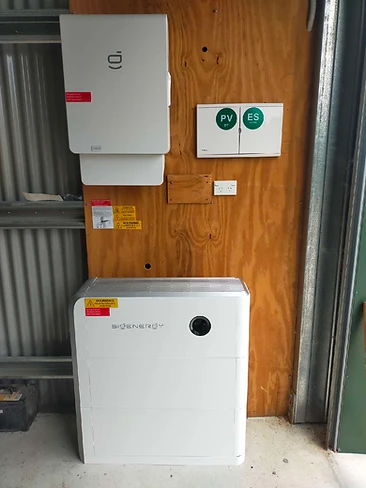
We see many homeowners choose to install solar panels first and wait to see how their consumption patterns settle before adding a battery later. This is often a pragmatic approach. If you are unsure where to start, our solar economics page offers a breakdown of how systems perform, and you can explore our battery storage options to see what the hardware looks like.
Is a Battery Right for You?
If you have high evening loads, are subject to frequent grid instability, or have a goal of reducing grid reliance, a battery can be a fantastic addition to your home. If your primary driver is a rapid return on investment, we suggest looking closely at your peak usage times first. Every site is different, and we are happy to help you weigh the pros and cons for your specific roof and lifestyle.